Long Island Cold Case Solved After 52 Years - DNA Identifies Suspect in 1974 Murder of Barbara Waldman
By Dana Whitfield. May 30, 2026
1974
Barbara Waldman was found murdered in her Long Island home in 1974. She had been bound and killed during what investigators at the time believed was a home invasion. She left behind a family. The case went unsolved.
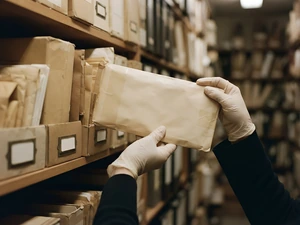
For 52 years, her file sat in the Suffolk County cold case unit - one of thousands of unsolved murders from an era before DNA evidence, before genetic genealogy databases, before investigators had the tools that today make the previously unsolvable solvable.
A Case That Never Closed
Suffolk County police never formally closed the Waldman case, which meant it remained eligible for the kind of investigative reinvestment that became possible once forensic technology advanced. Cold case units began using genetic genealogy - the process of uploading DNA profiles to genealogy databases to find biological relatives and trace lineages back to a suspect - starting in the late 2010s. The technique gained public attention after its use in the Golden State Killer case in 2018.
Investigators returned to the physical evidence preserved from the 1974 crime scene. They extracted a DNA profile from biological material collected at the time of the original investigation.
The Identification
That profile was uploaded to a genealogy database. Investigators traced the DNA through familial matches to identify a suspect: Thomas Generazio. Genealogy work confirmed biological relationships consistent with the evidence profile, and investigators built a case connecting Generazio to the original crime.
Generazio had died before the identification was completed. He would not face criminal prosecution.
What the Family Received
For Waldman’s surviving family, the identification arrived 52 years after her death. They had lived through decades without an answer. The announcement from Suffolk County authorities in March 2026 represented the kind of closure that many cold case families never receive - a name, a face, a confirmed suspect attached to what had been done.
Whether “closure” captures what a family actually feels when a killer is identified half a century later is a question investigators and advocates who work with cold case families consistently avoid answering for them. What the DNA provided was a fact: a name, matched to the evidence.
Genetic Genealogy and What It Has Changed
Since investigators began using genetic genealogy tools in serious criminal cases, dozens of cold cases across the country have been resolved using the same method applied in the Waldman case. DNA preserved from crime scenes from the 1960s, 1970s, and 1980s has been found to be viable for profiling decades later in many instances.
The technique works because large genealogy databases - some with 20 million or more profiles - contain enough biological relatives of almost anyone to allow investigators to trace lineages backward. A suspect’s second or third cousin uploading their DNA for ancestry purposes can inadvertently provide the link that breaks a 50-year-old case.
What Happens to the Record
Because Generazio is deceased, no trial will occur and no conviction will be entered. Suffolk County can close the case as solved. For the purposes of law enforcement statistics, the Waldman murder moves from the unsolved column.
For the family, accounting is different. Barbara Waldman was a mother, a neighbor, a person who lived on Long Island in 1974 and was killed in her own home. The man who did it went unidentified for her entire family’s adult lives. In March 2026, his name became part of the record.
References: Long Island cold case suspect in 1974 murder of Oceanside woman Barbara Waldman identified via DNA | Long Island rape-murder cold case of Barbara Waldman solved after 52 years

The Truth In Facts team was assisted by generative AI technology in creating this content
Trending