
Gene Hackman's Autopsy Results Reveal What Happened
By Taylor Bennett. Nov 21, 2026
Caption: Actor Gene Hackman at a public appearance in 2008. Photo: Wikimedia Commons.
Gene Hackman and his wife, Betsy Arakawa, were found dead in separate rooms of their Santa Fe home in February 2025. Investigators initially faced a troubling question: had something inside the house killed them both?
Their autopsies established two different causes of death. Arakawa, 65, died from a rare rodent-borne illness. Hackman, 95, died from severe cardiovascular disease, with advanced Alzheimer’s disease contributing. He tested negative for the infection that killed his wife.
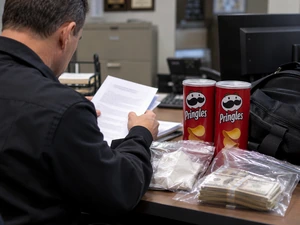
But the medical findings were only part of the investigation. Phone calls, computer searches, security footage, handwritten notes and Hackman’s pacemaker eventually provided a fuller account of the couple’s final days.
The Last Errands and a Medical Appointment
On February 11, 2025, Arakawa visited a grocery store, pharmacy and pet food store before returning to the couple’s gated community around 5:15 p.m. Earlier, she had emailed her massage therapist to cancel an appointment, explaining that Hackman had awakened with cold- or flu-like symptoms, though his COVID-19 test was negative.
Investigators initially believed Arakawa died that day because they found no later activity. Then medical records challenged that timeline. On February 12, Arakawa contacted Cloudberry Health, a Santa Fe medical concierge service. Sheriff Adan Mendoza later confirmed three calls that morning.
Dr. Josiah Child, the clinic’s founder, said Arakawa had asked about hyperbaric oxygen therapy and mentioned congestion. She did not sound seriously ill during the conversation. The clinic scheduled her for an afternoon appointment, but she never arrived. Follow-up calls went unanswered.
Her computer history offered another piece of evidence. Between February 8 and 12, Arakawa had searched for information about COVID-19, flu-like symptoms, dizziness, nosebleeds and breathing techniques. The records established that she had been active on February 12, later than investigators originally believed.
The Autopsies Revealed Two Different Causes
When New Mexico Chief Medical Examiner Dr. Heather Jarrell announced the findings on March 7, she ruled both deaths natural. Arakawa had died from hantavirus pulmonary syndrome, a potentially fatal respiratory disease associated with exposure to infected rodents. Laboratory testing confirmed the infection. Her examination showed no evidence of fatal injury.
Hackman’s autopsy showed extensive cardiovascular disease, including damage from previous heart attacks and longstanding high blood pressure. Alzheimer’s disease was a significant contributing factor. He had no evidence of hantavirus infection.
Investigators also examined his pacemaker. It recorded cardiac activity on February 17 and abnormal activity on February 18, suggesting that he died around February 18. That meant Hackman may have survived his wife by several days. Whether his Alzheimer’s disease prevented him from understanding what had happened remained unknown.
What Investigators Found at the Property
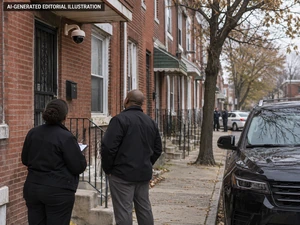
The couple’s bodies were discovered on February 26 after maintenance workers arrived at the property and became concerned when nobody answered. A security worker looked through a window, saw two motionless people and contacted authorities.
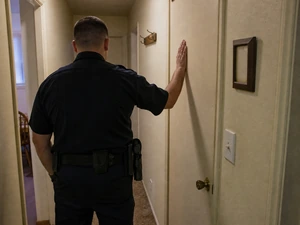
Deputies found Arakawa in a bathroom and Hackman in an entryway elsewhere in the house. One of their three dogs was dead in a crate, while the other two survived. Officers checked for a gas leak and examined the residence for signs of forced entry. Tests found no significant gas leak or carbon monoxide exposure. Investigators found no evidence of a violent confrontation.
Environmental inspectors found rodent droppings, nests and traps in outbuildings around the property. They did not identify rodent activity inside the primary residence. The findings established a potential exposure environment but did not determine exactly where Arakawa encountered the virus.
The Notes They Left for Each Other
Investigative records released in April revealed another part of the couple’s life. Photographs showed handwritten messages Hackman and Arakawa exchanged around their home.
Hackman’s notes included affectionate jokes and apologies. Arakawa left reminders explaining her whereabouts, their dogs’ activities and things Hackman could do while she was away. One note described taking a dog to obedience training and leaving a jigsaw puzzle on the table.
Other records showed Arakawa carefully tracking her husband’s medications and medical appointments as his health declined. Friends and neighbors described a close marriage. The couple had wed in 1991, and Arakawa, a pianist, increasingly managed the practical demands of Hackman’s later years.
What the Evidence Could - and Could Not - Explain
Hackman’s final cardiac activity, Arakawa’s unanswered medical appointment and the circumstances inside the house helped authorities establish a sequence. They could not answer everything.
Investigators never determined Arakawa’s exact death date. The medical findings did not establish where she contracted hantavirus. And Hackman’s Alzheimer’s diagnosis could not reveal whether he recognized his wife’s death or understood his circumstances afterward.
The investigation ultimately ruled out a shared fatal infection and identified separate natural causes of death. What remained was a documented account of two people whose final days were gradually reconstructed through the ordinary records of their lives: appointments, calls, messages and a medical device.
References: Records show Gene Hackman’s wife researched symptoms of illness days before her death | Last days of Gene Hackman and wife Betsy Arakawa: a timeline | Love letters between Gene Hackman and Betsy Arakawa revealed | Gene Hackman, wife Betsy Arakawa found dead: what we know | Betsy Arakawa’s final autopsy report

The Truth In Facts team was assisted by generative AI technology in creating this content
Trending