Family Accused of Exploiting Elderly Residents in Unlicensed Homes
By Dana Whitfield. Sep 20, 2026
Prosecutors Say the Alleged Fraud Happened Inside Places of Care
Four defendants have been indicted in two related federal cases involving elderly and vulnerable residents who lived in unlicensed boarding homes in North Texas. Prosecutors say members of the same family used positions of trust to exploit people who depended on them for housing and day-to-day support.
The defendants are Donella Locke, Suekya Whitney, Shakoya Crenshaw and Krystle Locke. The allegations include financial exploitation, fraudulent property transactions and theft of government benefits.
All four are presumed innocent unless and until the charges are proven in court.
The Residents Were Already Dependent on the Defendants
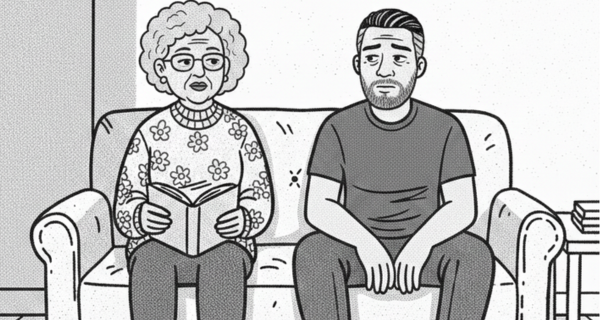
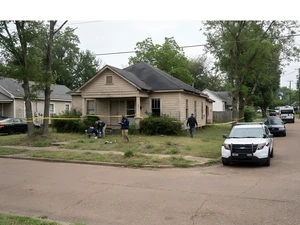
According to the indictments, the family operated unlicensed homes that housed elderly and disabled residents. That setting is central to the case because the alleged access came through a caregiving and housing relationship rather than through an anonymous phone call.
Residents may rely on people running a home for transportation, paperwork, benefits, communication and access to personal information. Prosecutors allege that those positions of trust created opportunities to take control of money and property.
The government says some of the alleged conduct involved property transactions, while other allegations involve government benefits intended for the residents.
Two Related Cases Now Move Through Federal Court
The indictments were announced in September 2026. An indictment means a grand jury found probable cause for charges; it does not establish guilt.
Each defendant’s role will have to be considered individually, and the government will have to prove the specific conduct charged in the two cases.
The cases also involve a form of alleged exploitation that can be difficult to detect because the person controlling access to money or documents may also be the person a resident depends on for basic living arrangements.
The Alleged Betrayal Was Close to Home
Most large-scale fraud stories involve distant callers, false websites or anonymous electronic transfers. This case is different because prosecutors say the alleged wrongdoing occurred within living arrangements that were supposed to provide care and shelter.
That proximity can deepen the vulnerability. A resident may not have an easy way to separate financial decisions from the person controlling housing or assistance.
The federal case is still at an early legal stage, and the allegations remain unproven. But the indictments outline a clear theory: prosecutors say trusted access to vulnerable residents was turned into an opportunity for financial exploitation.
The court process will determine whether that theory is supported by evidence beyond a reasonable doubt.

The Truth In Facts team was assisted by generative AI technology in creating this content
Trending